
Introduction
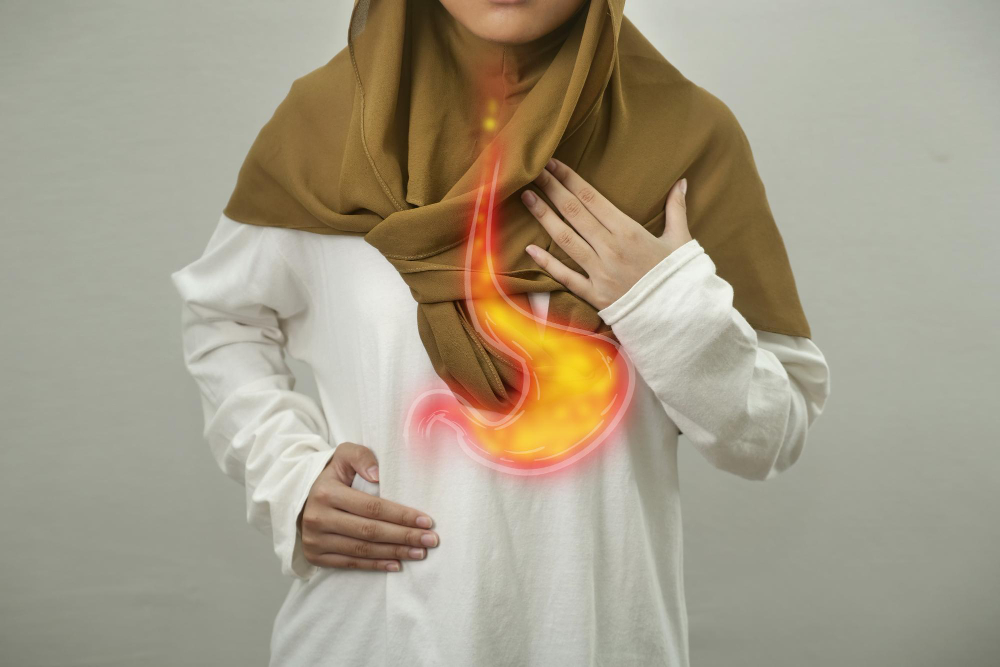
GERD, or gastroesophageal reflux disease, is a common digestive problem. It happens when stomach acid flows back into the food pipe. This acid can irritate the lining of your esophagus. As a result, GERD can cause discomfort and may affect daily life. According to the CDC, GERD affects millions of people worldwide. Early recognition and treatment are important. This blog explains GERD, its symptoms, causes, diagnosis, and treatment options.
Symptoms
GERD symptoms can vary from person to person. However, some signs are more common. Recognizing these symptoms can help you seek help sooner. Common gastroesophageal reflux symptoms include:
Sometimes, symptoms may get worse at night or when lying down. If you notice these signs, it is wise to pay attention.
Causes and Risk Factors
GERD occurs when the muscle at the end of your esophagus does not close properly. Because of this, stomach acid can move up into the esophagus. Several factors can increase your risk of GERD. These include:
While some risk factors can be changed, others cannot. Still, knowing them can help you make better choices.
Diagnosis
Doctors use several methods to diagnose GERD. First, they will ask about your symptoms and medical history. Sometimes, they may suggest tests to confirm GERD or rule out other problems. Common tests include:
Early diagnosis can help prevent complications. Therefore, talk to your doctor if you have ongoing symptoms.
Treatment Options
There are many GERD treatment options. Your doctor may suggest one or more based on your symptoms. Common treatments include:
Most people feel better with simple changes and medicines. However, some may need long-term care. Always follow your doctor’s advice for the best results.
Lifestyle and Dietary Guidance
Simple changes can help manage GERD and reduce symptoms. For example, you can:
Because everyone is different, you may need to try several changes to see what works best for you.
Prevention Tips
You can take steps to help prevent acid reflux and reduce your risk of GERD. Here are some tips:
Although you cannot control every risk factor, these habits can make a big difference.
When to See a Doctor
Sometimes, GERD symptoms can be mild. However, you should see a doctor if:
Early treatment can prevent serious problems. Therefore, do not wait if you notice these warning signs.
Consult a doctor at Amsha Skin and Hair Clinic for personalized advice on GERD management.