
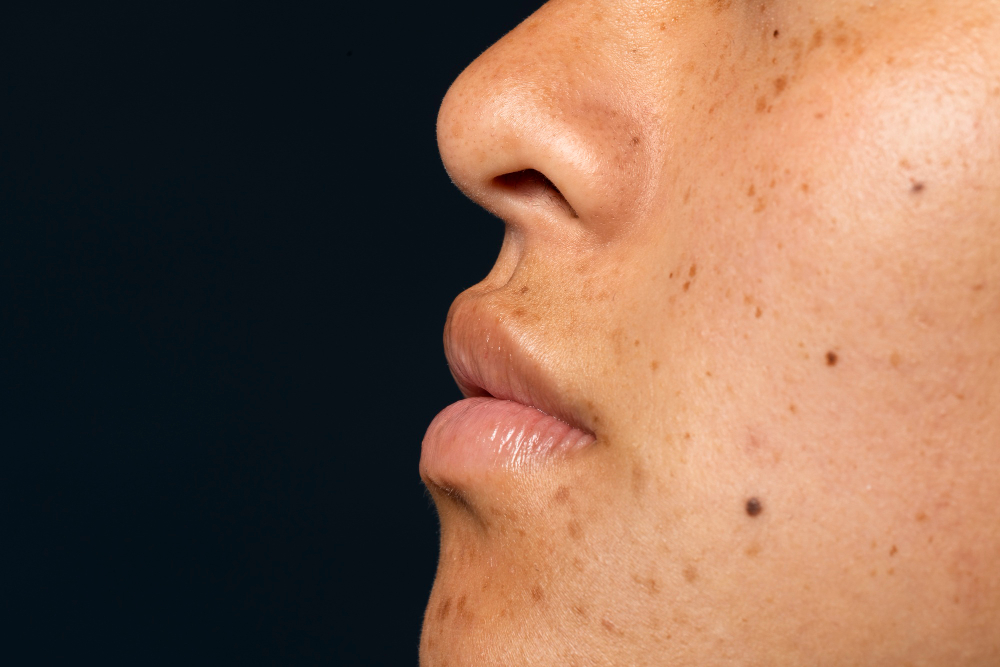
Melasma is a common skin condition that causes brown or gray-brown patches on the face. Many people notice melasma on their cheeks, forehead, nose, or upper lip. Although melasma is not harmful, it can affect a person’s confidence. In fact, melasma is more common in women, especially those with darker skin tones. Understanding melasma, its causes, symptoms, and treatment options can help you manage this condition better.
What is Melasma?
Melasma is a skin problem that leads to dark, discolored patches. Usually, these patches appear on parts of the face that get a lot of sun. However, melasma can also show up on other body parts, like the neck or arms. While it is not dangerous, melasma can be bothersome for many people. According to the American Academy of Dermatology, melasma affects millions worldwide. It is sometimes called the “mask of pregnancy” because it often appears during pregnancy.
Common Symptoms of Melasma
Melasma has some clear signs. Most people notice:
Usually, melasma does not cause pain or itching. But, the patches can make people feel self-conscious. If you notice these symptoms, it is a good idea to talk to a dermatologist.
Causes and Risk Factors
There are several reasons why melasma develops. Some common causes and risk factors include:
Because many factors are involved, it is sometimes hard to find the exact cause. Still, knowing these risks can help you take steps to prevent melasma.
How Melasma is Diagnosed
Dermatologists can usually diagnose melasma by looking at your skin. Sometimes, they use a special light called a Wood’s lamp to see how deep the pigment goes. In rare cases, a small skin sample may be taken to rule out other conditions. However, most of the time, no tests are needed. If you think you have melasma, seeing a skin doctor is the best way to get a proper diagnosis.
Treatment Options for Melasma
There are several melasma treatment options available. While melasma can be stubborn, many people see improvement with the right care. Some common treatments include:
Because melasma can return, ongoing care is important. Always follow your dermatologist’s advice for the best results. According to the American Academy of Dermatology, sun protection is the most important step in any melasma treatment plan.
Tips for Managing and Preventing Melasma
Although melasma can be challenging, there are steps you can take to manage and prevent it. Try these tips:
By following these steps, you can help reduce your risk of melasma or keep it from getting worse.
When to See a Dermatologist
If you notice new or changing dark patches on your skin, it is wise to see a dermatologist. Sometimes, other skin conditions can look like melasma. A skin doctor can give you the right diagnosis and suggest the best treatment options. Early care can help prevent melasma from spreading or becoming more noticeable.
In summary, melasma is a common skin condition that can be managed with the right steps. For personalized advice on melasma, consult a dermatologist at Amsha Skin and Hair Clinic.