
Introduction
Skin pigmentation is the color of your skin. It comes from a natural pigment called melanin. Sometimes, your skin may develop dark or light patches. This can affect your confidence. Revitalizing skin pigmentation means restoring your skin’s natural, even tone. Many people look for safe skin pigmentation treatments to help them feel better about their appearance. In fact, there are many ways to restore healthy skin tone. Cosmetology solutions for pigmentation can help you achieve smoother, brighter skin. Let’s explore what causes these changes and how you can treat them.
What Is Skin Pigmentation?
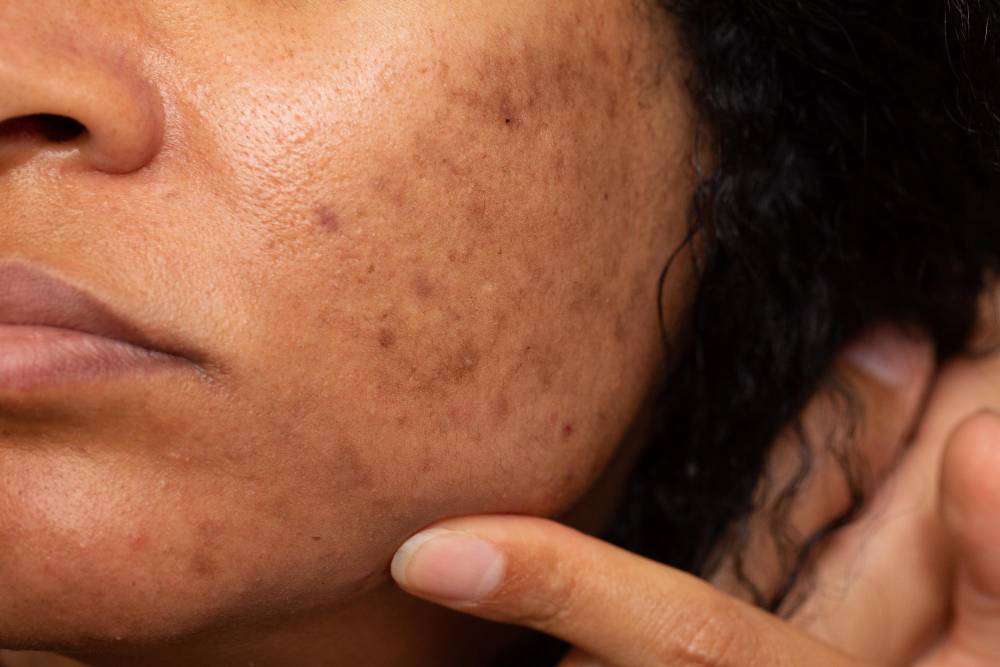
Skin pigmentation refers to the color of your skin. Melanin is the main pigment that gives skin its shade. Some people have more melanin, so their skin is darker. Others have less, so their skin is lighter. When melanin is not spread evenly, you may see spots or patches. These changes can happen anywhere on the body. However, they are most common on the face, hands, and arms. While most pigmentation changes are harmless, some may need treatment.
Common Causes of Pigmentation Issues
Many factors can change your skin’s color. For example, too much sun can cause dark spots. Hormonal changes, such as during pregnancy, may also affect skin tone. Sometimes, injuries or skin conditions like acne leave marks. In addition, certain medicines can cause pigmentation changes. Here are some common causes:
Because these causes are common, many people experience pigmentation issues at some point.
Symptoms and Signs to Watch For
It is important to notice changes in your skin. For instance, you may see dark or light patches. Sometimes, freckles or age spots appear. In other cases, the skin may look uneven. You might also notice redness or swelling. If you see any of these signs, it is wise to pay attention. Early action can help restore healthy skin tone. However, if you have pain or itching, you should see a doctor.
Diagnosis: How Skin Pigmentation Problems Are Identified
Doctors use several ways to check skin pigmentation problems. First, they look at your skin closely. They may ask about your health and family history. Sometimes, they use a special light to see changes better. In rare cases, a small skin sample may be taken for testing. This helps rule out serious conditions. Because some skin changes can signal health issues, it is important to get the right diagnosis. Early diagnosis leads to better results with safe skin pigmentation treatments.
Effective Treatments for Revitalizing Skin Pigmentation
There are many ways to treat skin pigmentation issues. The best treatment depends on the cause and your skin type. Here are some effective options:
Because everyone’s skin is different, you should talk to a certified cosmetologist or dermatologist. They can help you choose the safest and most effective treatment for revitalizing skin pigmentation.
Lifestyle Tips for Maintaining Healthy Skin Tone
Besides treatments, daily habits play a big role in skin health. For example, wearing sunscreen every day protects your skin from sun damage. Drinking plenty of water keeps your skin hydrated. Eating a balanced diet with fruits and vegetables helps your skin stay healthy. In addition, gentle cleansing and moisturizing can prevent irritation. Here are some simple tips:
With these habits, you can help restore healthy skin tone and prevent future issues.
Prevention: How to Avoid Pigmentation Problems
Preventing pigmentation issues is easier than treating them. First, limit your time in direct sunlight, especially during peak hours. Always use sunscreen, even on cloudy days. If you use new skincare products, test them on a small area first. This helps avoid allergic reactions. Also, treat skin conditions like acne early to prevent marks. In some locations, pollution can affect skin health, so washing your face after being outside is helpful. By taking these steps, you can reduce your risk of pigmentation problems.
Conclusion
Revitalizing skin pigmentation is possible with the right treatments and daily care. Many safe skin pigmentation treatments are available today. However, everyone’s skin is unique. For the best results, consult a certified cosmetologist or dermatologist at Amsha Skin and Hair Clinic for personalized advice on revitalizing skin pigmentation.