What is a Laser Photofacial?
Many people want smooth, glowing skin. A laser photofacial is a safe, non-surgical skin rejuvenation treatment. It uses light energy to target skin problems. Often, doctors call this treatment IPL, which stands for Intense Pulsed Light. With a laser photofacial, you can treat sun damage, redness, and dark spots. This treatment is popular for those who want results without surgery.
How Does Laser Photofacial Work?
During a laser photofacial, pulses of light reach deep into your skin. As a result, the light breaks down unwanted pigment and redness. Your body then removes these damaged cells naturally. Over time, your skin looks clearer and brighter. Most people need several sessions for the best results. However, you may see some changes after just one treatment.
Benefits of Laser Photofacial
Laser photofacial offers many advantages. For example, it is gentle and does not require surgery. Here are some key benefits:
Because of these benefits, many people choose laser photofacial for non-surgical skin rejuvenation.
Who is a Good Candidate?
Not everyone is the same, so it is important to know if this treatment is right for you. Generally, good candidates include:
However, people with very dark skin or certain medical conditions may not be ideal candidates. Always talk to a certified dermatologist before starting IPL treatment.
What to Expect During the Procedure
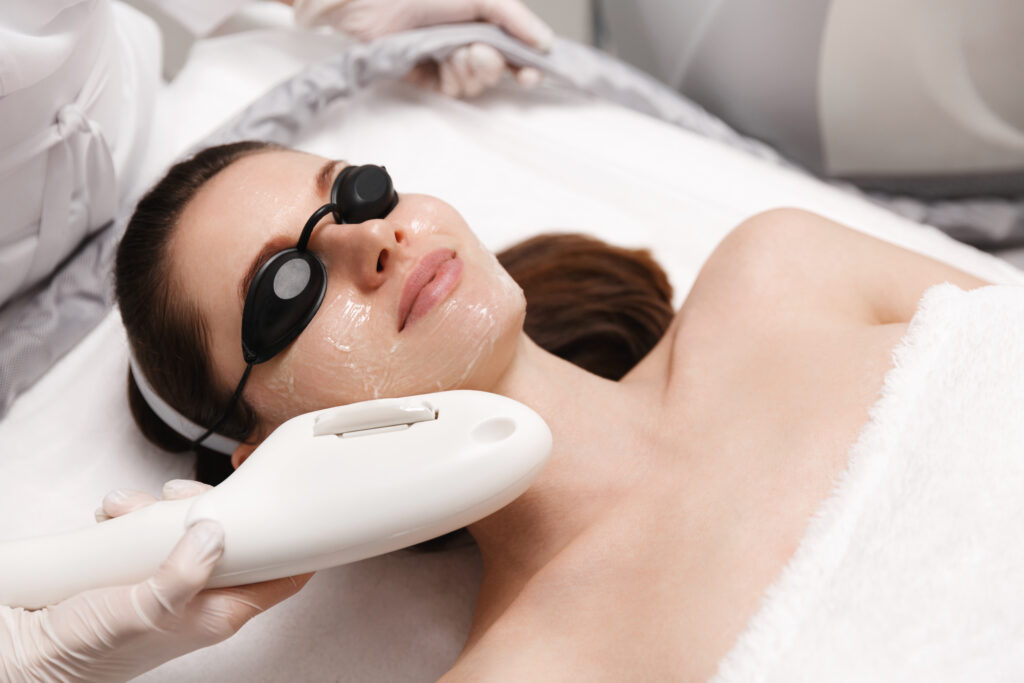
Before the procedure, your doctor will clean your skin. Next, they may apply a cool gel to help protect your skin. During the treatment, you will wear eye shields. The doctor will move a small device over your skin, sending gentle pulses of light. You may feel a mild snap or warmth, but most people find it easy to handle. The session usually lasts 20 to 30 minutes, depending on the area treated.
Recovery and Aftercare Tips
After a laser photofacial, your skin may look red or feel warm. This is normal and usually fades within a few hours. To help your skin heal, follow these tips:
Because your skin is sensitive, extra care helps you get the best results.
Potential Risks and Side Effects
Laser photofacial is considered safe when done by a trained professional. However, like any treatment, there are some risks. Possible side effects include:
Most side effects are mild and go away quickly. Still, always choose a certified clinic for your IPL treatment to lower risks.
Frequently Asked Questions
Prevention and Skin Care Tips
To keep your skin healthy after a laser photofacial, follow these simple tips:
With good care, your skin can stay bright and youthful for longer.
Conclusion
In summary, laser photofacial at ASHA SKIN CLINIC is a safe, non-surgical way to rejuvenate skin, reduce sun damage, redness, and uneven tone. Consult a certified dermatologist to see if this treatment is right for you.