Androgenic Alopecia is a common type of hair loss that affects both men and women. Often called male pattern baldness or female pattern hair loss, this condition leads to gradual hair thinning. Because it can impact self-esteem, understanding Androgenic Alopecia is important. In this blog, you will learn about its symptoms, causes, diagnosis, and treatment options. You will also find helpful tips for managing hair loss and knowing when to seek help.
What is Androgenic Alopecia?
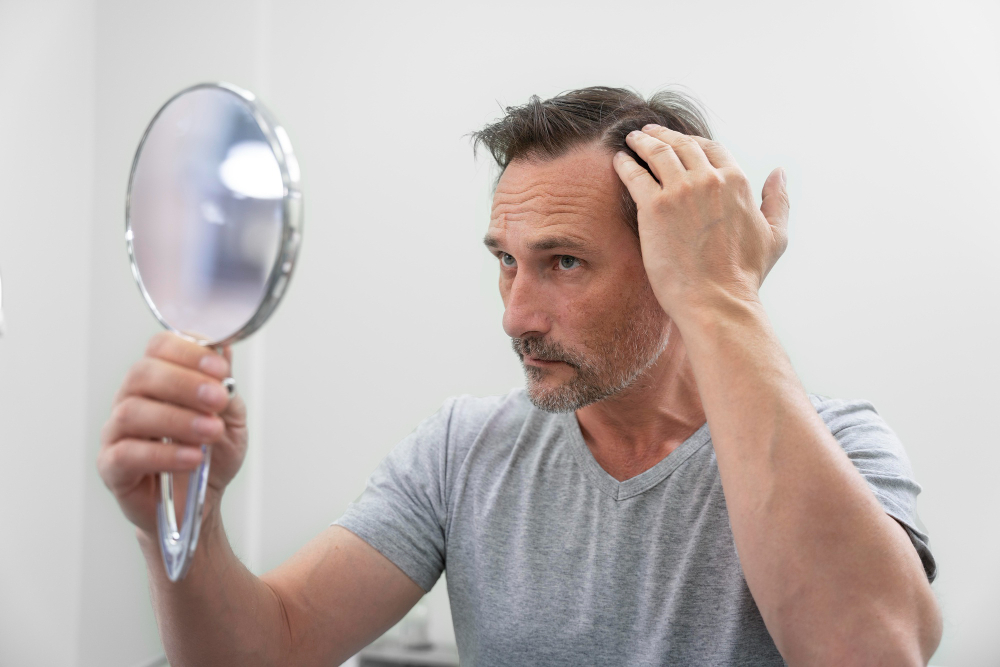
Androgenic Alopecia is a genetic condition that causes hair loss over time. In men, it usually starts with a receding hairline or thinning at the crown. For women, hair often becomes thinner across the top of the scalp. Although it is not dangerous, it can be distressing. According to the American Academy of Dermatology, this is the most common cause of hair loss worldwide.
Common Symptoms of Androgenic Alopecia
Recognizing the symptoms early can help you seek treatment sooner. While symptoms may vary, some are more common than others. For example, men and women experience hair loss differently. Here are some typical signs:
However, the pattern and speed of hair loss can differ from person to person.
Causes and Risk Factors
Androgenic Alopecia is mainly caused by genetics and hormones. If your parents had hair loss, you are more likely to develop it. In addition, certain hormones called androgens play a key role. These hormones can shrink hair follicles, making hair thinner and shorter. Other risk factors include:
Still, not everyone with these risk factors will develop Androgenic Alopecia.
How is Androgenic Alopecia Diagnosed?
Early diagnosis can help you manage hair loss better. Usually, a dermatologist will start with a physical exam. They may ask about your family history and recent health changes. Sometimes, doctors use a pull test to check how much hair falls out. In some cases, they may order blood tests to rule out other causes. Rarely, a scalp biopsy is needed. This simple process helps confirm the diagnosis and guides treatment.
Treatment Options for Androgenic Alopecia
There are several ways to treat Androgenic Alopecia. While not all treatments work for everyone, many people see improvement. Here are some common options:
However, results can vary, and it may take several months to see changes. Always talk to a dermatologist before starting any hair loss treatment.
Lifestyle Tips and Prevention
Although you cannot change your genes, you can take steps to slow hair loss. For instance, gentle hair care can help protect your scalp. Here are some tips:
While these steps may not prevent Androgenic Alopecia, they can support overall hair health.
When to See a Dermatologist
If you notice sudden or patchy hair loss, it is important to seek help. Sometimes, hair loss can be a sign of another health problem. Additionally, if hair thinning affects your confidence or daily life, a dermatologist at Amsha Skin and Hair Clinic can help. They can offer expert advice and suggest the best hair loss treatment for you.
Consult a dermatologist at Amsha Skin and Hair Clinic for personalized advice on Androgenic Alopecia.