Introduction
Pimples are a common skin problem for many people. They can appear at any age, but teenagers often get them the most. Because pimples can affect how you feel about your skin, it helps to know what causes them and how to treat them. In this blog, you will learn about pimples, their symptoms, causes, diagnosis, and the best ways to treat and prevent them. If you want to know how to get rid of pimples, keep reading for helpful tips and advice.
What Are Pimples?
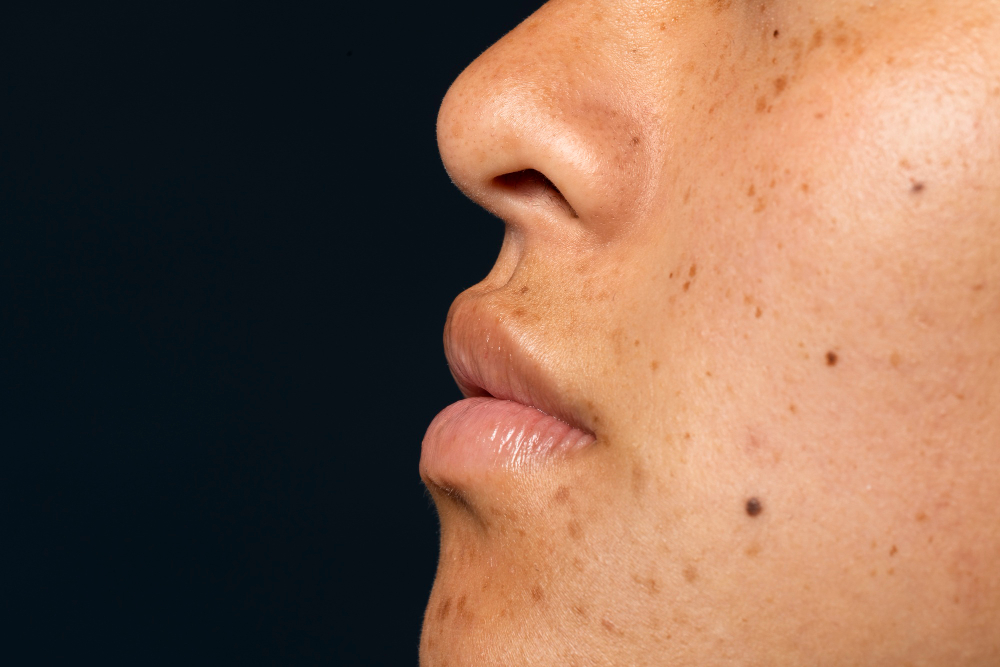
Pimples are small, raised bumps that appear on the skin. They often look red and may have a white or yellow center. Usually, pimples form when hair follicles get clogged with oil, dead skin cells, and bacteria. Although pimples are most common on the face, they can also show up on the back, chest, and shoulders. For many people, pimples are a normal part of growing up, but adults can get them too.
Common Symptoms
Pimples can look and feel different for each person. However, there are some common signs to watch for. For example, you may notice:
Sometimes, pimples can leave marks or scars if picked or squeezed. Therefore, it is best to avoid touching them.
Main Causes
Many factors can lead to pimples. Understanding pimple causes can help you prevent breakouts. Some of the main reasons include:
Although diet does not directly cause pimples, some people notice certain foods can trigger breakouts. For example, sugary or oily foods may make pimples worse for some individuals.
How Pimples Are Diagnosed
Doctors usually diagnose pimples by looking at your skin. Most of the time, no special tests are needed. However, if you have severe or unusual pimples, your doctor may ask about your health history or check for other skin problems. Sometimes, they may suggest tests to rule out other causes. Early diagnosis can help you find the right pimple treatment and prevent scarring.
Effective Treatment Options
There are many ways to treat pimples. The best pimple treatment depends on how severe your pimples are. Here are some common options:
Even though home remedies are popular, always talk to a doctor before trying new treatments. This helps avoid skin damage or allergic reactions.
Lifestyle and Prevention Tips
Preventing pimples is possible with a few simple steps. For example, you can:
Because everyone’s skin is different, what works for one person may not work for another. Still, these tips can help reduce your risk of breakouts.
When to See a Dermatologist
Sometimes, pimples do not get better with home care. In these cases, it is important to see a dermatologist. You should seek help if:
Because dermatologists are skin experts, they can suggest the best pimple treatment for your needs.
Conclusion
Pimples are a common skin issue, but you can manage them with the right care. By understanding pimple causes and symptoms, you can choose the best treatment and prevent new breakouts. If you have questions or your pimples do not improve, consult Amsha Skin and Hair Clinic for personalized advice on managing pimples.