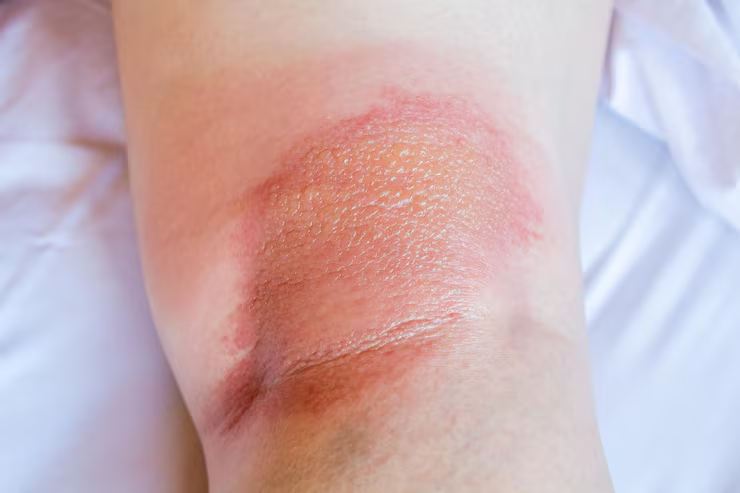
Dermatitis is a common skin problem that causes redness, itching, and swelling. Many people want to know the causes of dermatitis so they can avoid triggers and protect their skin. Because skin irritation can affect anyone, it is important to understand what leads to dermatitis and how to lower your risk. This guide explains the main causes, risk factors, and ways to prevent skin irritation.
What Is Dermatitis?
Dermatitis is a word doctors use for skin irritation or inflammation. It can make your skin red, itchy, dry, or swollen. Sometimes, you may see blisters or scaly patches. While dermatitis is not life-threatening, it can be uncomfortable. In many cases, it can also affect your daily life. There are different types of dermatitis, but the causes often overlap.
Main Causes of Dermatitis
Understanding the causes of dermatitis helps you avoid skin irritation triggers. Below are the main reasons why dermatitis may develop:
Allergic Reactions: Sometimes, your skin reacts to things like pollen, pet dander, or certain foods. If your immune system sees these as threats, it can cause redness and itching. This is called allergic contact dermatitis.
Irritants: Everyday products like soaps, detergents, or cleaning chemicals can irritate your skin. Even frequent hand washing or using harsh shampoos may lead to irritation. This is known as irritant contact dermatitis.
Genetics: If your parents or siblings have dermatitis, you may be more likely to get it too. Some people have genes that make their skin more sensitive or less able to protect itself.
Environment: Weather and pollution can play a big role. For example, dry air, extreme heat, or cold can dry out your skin. In some cities, high pollution levels may also trigger flare-ups.
Stress: Emotional stress can make your skin more likely to react. When you feel stressed, your body releases chemicals that may trigger or worsen dermatitis.
Infections: Sometimes, bacteria, viruses, or fungi can cause or worsen skin irritation. For example, scratching irritated skin can let germs in, leading to infection.
Risk Factors for Developing Dermatitis
Some people are more likely to develop dermatitis than others. Here are common risk factors:
Family history of eczema, asthma, or allergies
Living in areas with high pollution or extreme weather
Working with chemicals, soaps, or cleaning products
Having dry or sensitive skin
Being under frequent stress
Having other allergies or asthma
Because these risk factors can add up, it is important to know your own risks.
How to Identify the Cause of Your Dermatitis
Finding out what triggers your skin irritation can help you avoid future problems. Here are some tips:
Keep a diary of your symptoms and what you touch or eat each day
Notice if your skin gets worse after using certain products or being in certain places
Pay attention to changes in weather or stress levels
Try removing one product at a time to see if your skin improves
Ask your doctor about allergy testing if you suspect a reaction
Because triggers can be different for everyone, tracking your habits is helpful.
When to See a Dermatologist
Sometimes, home care is not enough. You should see a dermatologist if:
Your skin irritation does not improve after a few days
You have severe itching, pain, or swelling
You notice blisters, pus, or signs of infection
Your symptoms keep coming back
Dermatitis affects your sleep or daily life
Because a dermatologist can help find the cause and suggest the best treatment, do not wait if you have concerns.
Prevention Tips
While you cannot always avoid dermatitis, you can lower your risk. Try these tips:
Use gentle, fragrance-free soaps and moisturizers
Wear gloves when using cleaning products
Keep your skin moisturized, especially in dry weather
Avoid scratching, as it can make irritation worse
Manage stress with relaxation techniques
Stay away from known triggers, like certain foods or fabrics
Shower after being in polluted or dusty areas
Because small changes can make a big difference, start with one or two tips and build from there.
Conclusion & Call-to-Action
In summary, the causes of dermatitis include allergies, irritants, genetics, environment, stress, and infections. Knowing your risk factors and triggers can help you prevent skin irritation. If you have ongoing or severe symptoms, consult a dermatologist at Amsha Skin and Hair Clinic for personalized guidance on dermatitis causes and treatment.